
 By
By
United States vs Australia
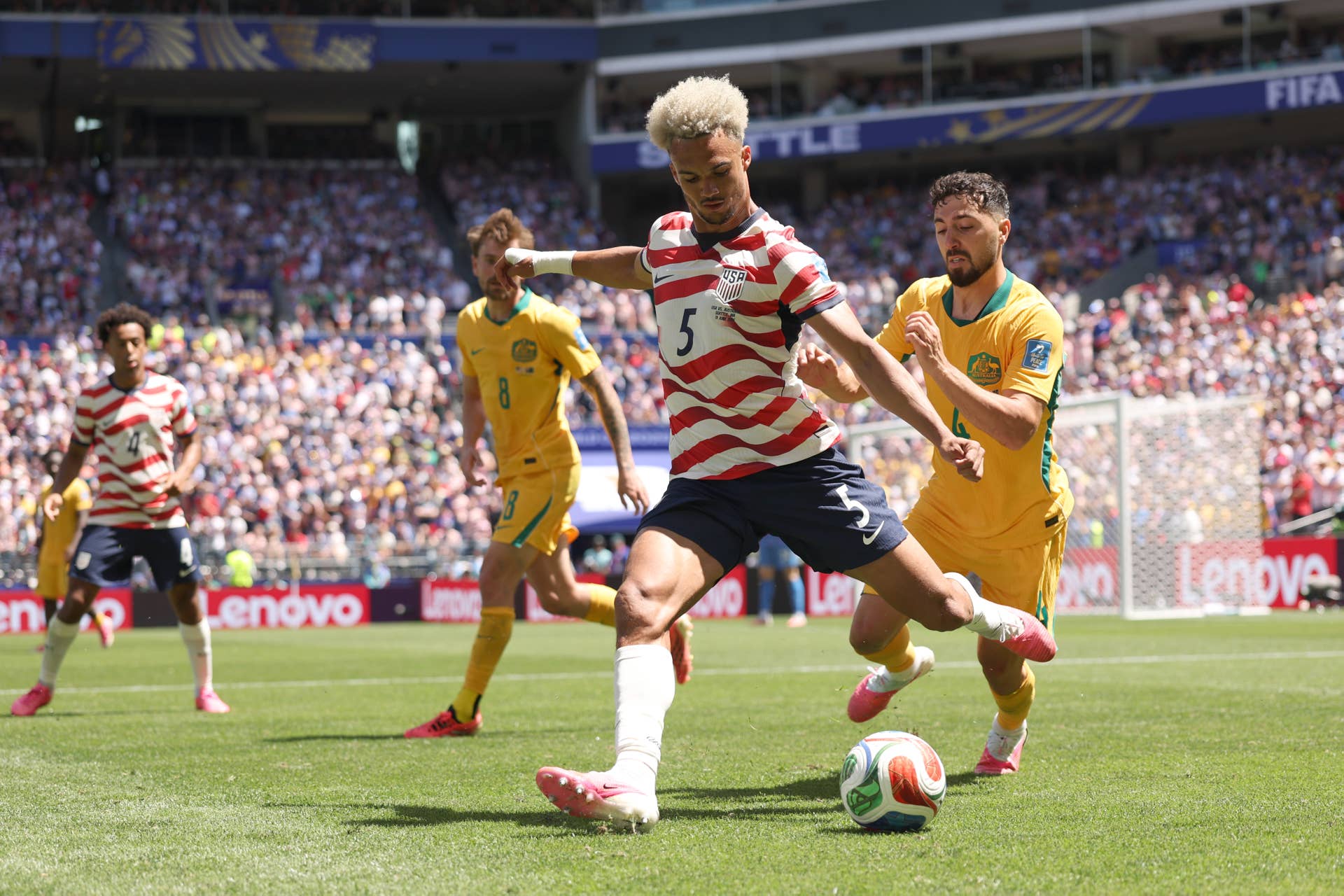
The United States continued its strong start to the 2026 FIFA World Cup with a convincing 2-0 victory over Australia on June 19, moving one step closer to securing a place in the knockout stage.
After opening the tournament with a dominant 4-1 win over Paraguay, the Americans entered the match full of confidence and delivered another disciplined performance against a physical Australian side.
From the opening whistle, the U.S. controlled possession and dictated the tempo. Australia remained organized defensively but struggled to create meaningful opportunities in the final third as the American back line limited chances throughout the afternoon.
The breakthrough came in the first half when the United States capitalized on sustained pressure, finding the back of the net to take a deserved 1-0 lead. With momentum on their side, the Americans continued pushing forward while maintaining their defensive shape.
Australia attempted to respond after halftime, increasing its intensity and pressing higher up the field. However, the U.S. defense remained composed, winning key battles and preventing the Socceroos from generating a clear scoring opportunity.
The decisive moment arrived in the second half when the United States doubled its advantage with a well-worked attacking move, extending the lead to 2-0 and effectively putting the match out of reach.
The victory gives the United States six points from its first two matches in Group D, placing the Americans in a strong position heading into their final group-stage fixture. The team's balanced performance highlighted both its attacking quality and defensive stability, two traits that will be crucial as the tournament progresses.
Australia, meanwhile, will look to regroup and keep its World Cup hopes alive in its remaining group-stage matches.
With back-to-back victories and growing confidence, the United States has emerged as one of the early success stories of the tournament, showing it has the talent and depth to compete with the world's best on home soil.
Written by: Daniel Torres
Post a Comment