
 By
By
Miami Marlins Trade Deadline: A Look Toward the Future
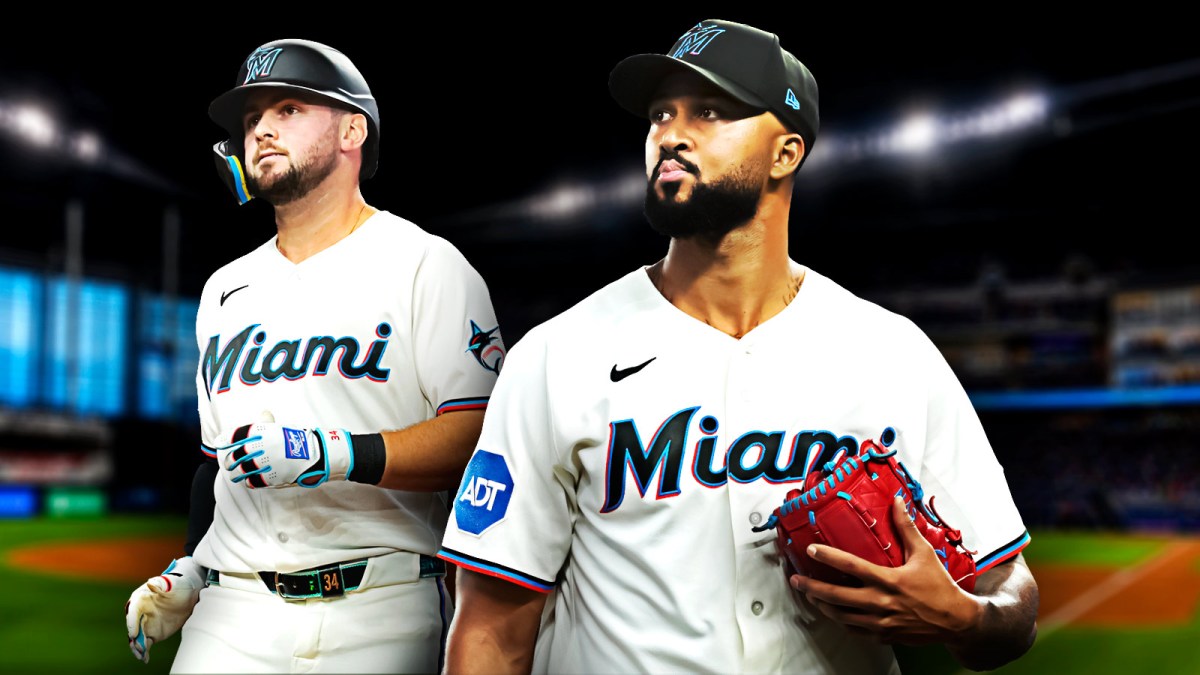
The Miami Marlins entered the 2026 MLB Trade Deadline in an unusual position.
For a franchise that has traditionally been associated with selling at the deadline, Miami was actually in the postseason conversation entering August. That created a difficult decision for president of baseball operations Peter Bendix: Should the Marlins push their chips into the middle and try to make the playoffs, or continue building toward a sustainable contender?
Ultimately, Miami chose the latter.
Rather than making a major acquisition to improve the current roster, the Marlins focused on turning established major league pieces into controllable talent that could help them beyond 2026. The strategy may frustrate fans who wanted the organization to take advantage of an opportunity to compete, but it is consistent with the long-term vision Bendix has established since taking over.
Miami Moves Liam Hicks
The biggest surprise of the deadline may have been the decision to trade catcher Liam Hicks to the Tampa Bay Rays.
Hicks had emerged as one of Miami's better offensive contributors and had become a valuable part of the team's lineup. The Rays acquired Hicks in exchange for infielder Brayden Taylor, shortstop Adrian Santana and right-hander Jacob Kisting. ESPN gave Tampa Bay a B+ for the deal while giving Miami a D+, arguing that the Marlins could have received more immediate value or a better overall return for a controllable catcher.
The decision is easier to understand when considering Miami's catching depth. Joe Mack's emergence gave the organization confidence that Hicks was not indispensable, allowing Bendix to capitalize on his trade value.
But the bigger question is whether Miami sacrificed too much of the present for the future.
None of the three players acquired from Tampa Bay was expected to immediately help the Marlins at the major league level. That is significant for a team that was still within striking distance of a postseason berth.
Braxton Garrett Also Heads Out
Miami also traded left-hander Braxton Garrett to the Chicago Cubs.
In return, the Marlins received infielder Jonathan Long and right-handed pitcher Jace Beck. Garrett's recent career had been complicated by injuries, including elbow surgery, and he had spent much of 2026 in the minor leagues. ESPN graded the deal C+ for Chicago and C+ for Miami, calling it a reasonable exchange but noting that the Marlins appeared increasingly focused on 2027 and beyond.
Long could potentially provide Miami with an interesting offensive option, while Beck offers another young arm for the organization to develop.
For the Cubs, the move represents a bet on Garrett rediscovering the form he showed earlier in his career. For Miami, it represents another opportunity to acquire younger, controllable talent.
The Bigger Picture
The Marlins' deadline strategy was not about one particular player.
It was about continuing to build an organization capable of competing year after year.
MLB.com reported before the deadline that Miami was unlikely to mortgage its farm system for a rental player. Instead, the organization wanted potential acquisitions to help both immediately and in the future.
That philosophy explains the decisions Miami made.
The Marlins weren't interested in simply adding a veteran for two months if that player would disappear after the season. Instead, Bendix prioritized players who could potentially remain part of the organization for several years.
That approach is fundamentally different from going all-in for one postseason appearance.
But Was It the Right Decision?
This is where the debate begins.
There is a legitimate argument that Miami should have done more.
The Marlins were not expected to win the National League, but they were competitive enough to make the postseason race interesting. When a young team finds itself in that position, there is value in allowing the players to experience meaningful baseball in September.
A playoff appearance can accelerate the development of a young roster.
At the same time, Miami's roster still has significant holes. The organization is not one or two players away from being a legitimate World Series contender. Going after an expensive veteran or surrendering top prospects for a short-term upgrade could have left the organization in a worse position entering 2027.
That appears to be the calculation Bendix made.
The Verdict
The Marlins' trade deadline was not designed to win headlines.
It was designed to strengthen the organization.
Miami traded two major league contributors in Hicks and Garrett and received a collection of young, controllable players in return. The front office essentially decided that the best way to compete for years to come was to continue adding talent rather than sacrifice future assets for a potential playoff run in 2026.
Whether that decision ultimately works will depend on what happens next.
If Brayden Taylor, Adrian Santana, Jacob Kisting, Jonathan Long and Jace Beck develop into meaningful major league contributors, the Marlins could look back on the 2026 deadline as another important step in their rebuild.
If those players fail to develop while Miami misses the playoffs by a small margin, however, fans may wonder whether the organization missed an opportunity.
For now, Bendix is betting on the future.
And for a franchise that has spent years searching for sustained success, the biggest question isn't whether the Marlins can make the playoffs in 2026.
It's whether the moves made at this deadline can help Miami become a team that expects to be there every year.
Written by: Daniel Torres
Post a Comment